How Search Is Changing for Healthcare Services in 2026
AI Overviews now appear on 100% of treatment queries. Local searches remain AI-free. Here's what the data says about healthcare search in 2026—and the dual strategy every practice needs.
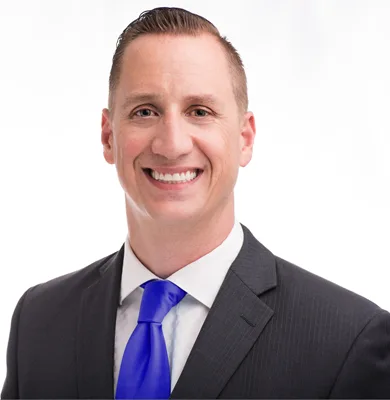
Chad Kubik
February 27, 2026
Last Updated: May 2026
1. The Shift to AI-Powered Healthcare Search
The way patients find healthcare providers is undergoing the most significant transformation since Google launched. Instead of delivering a simple list of search results, Google now uses AI to generate conversational summaries directly at the top of the page for the majority of health-related queries.
According to BrightEdge's research, since March 2025, AI Overviews in healthcare have grown by 115%, rapidly reshaping how medical information appears online. This isn't a temporary experiment—Google has settled into a stable approach, with monthly volatility dropping to approximately 5 percentage points by late 2025.
For dental and orthodontic practices, this means the rules of patient acquisition are being rewritten. But here's the critical nuance most articles miss: not all healthcare searches are treated equally by AI.
Key Insight
Google has developed a risk-based approach to healthcare AI Overviews. Clinical information queries get heavy AI treatment, while local provider searches remain completely AI-free. This bifurcation is the single most important insight for healthcare marketers in 2026.
2. Google AI Overviews: What the Data Shows
BrightEdge's comprehensive tracking of healthcare queries reveals a dramatic shift in AI Overview presence between 2023 and December 2025. The numbers tell a clear story about where Google is heading.
AI Overview Presence by Healthcare Query Type
| Query Type | 2023 AI Overview % | Dec 2025 AI Overview % | Change |
|---|---|---|---|
| Treatment & Procedures | 45% | 100% | +55pp |
| Pain-Related Queries | 58% | 98% | +40pp |
| Symptoms & Conditions | 57% | 93% | +36pp |
| Local Provider Searches | Tested | 0% | Removed |
Source: BrightEdge Weekly AI Search Insights, December 2025
The message is clear: if someone searches for information about a dental procedure, symptoms, or treatment options, they will almost certainly see an AI-generated answer before any website listings. But when they search for a provider to actually visit, Google still relies on traditional results.
Google's New "What People Suggest" Feature
In March 2025, Google announced health-care updates to Search including a feature called "What People Suggest," which uses AI to surface real patient experiences and commentary. A patient researching orthodontic treatment options, for example, can now see how other patients approached their treatment decisions—all synthesized by AI without clicking a single link.
Google's AI Mode, rolled out to all U.S. users in 2025, employs Gemini 2.5's reasoning capabilities to handle complex queries that are two to three times longer than traditional searches. Instead of link-based results, it provides conversational answers. For healthcare, this means patients can ask nuanced questions like "what's the difference between traditional braces and Invisalign for an adult with moderate crowding" and get a synthesized answer immediately.
3. Why Local Search Remains Your Stronghold
Here's the silver lining that every dental and orthodontic practice needs to understand: Google has deliberately excluded local healthcare provider searches from AI Overviews. As of December 2025, 0% of queries like "dentist near me," "orthodontist in [city]," and "best family doctor near me" trigger AI Overviews.
According to BrightLocal data, local map listings still capture 67% of clicks, and nearly 46% of all Google searches have local intent. Searches for "dentist near me" have grown over 200% in the last five years.
Why This Matters for Your Practice
- • 87% of consumers use Google to research local businesses (BrightLocal)
- • Only 7.9% of local searches trigger an AI Overview (vs. 90%+ for informational queries)
- • Google Business Profile listings often convert better than your website—many patients decide entirely from the map pack
- • Practices with 120+ reviews see up to 3x more appointment bookings
- • Clinics with 20+ GBP photos see 30-40% more calls and direction requests
This means local SEO is one of the few channels where traditional optimization still delivers full click-through value. While informational content competes in an AI-dominated landscape, your Google Business Profile, local citations, and review strategy directly drive patient acquisition without AI intermediaries.
Local SEO Priorities for 2026
Google Business Profile Optimization
Choose "Dentist" as primary category. Add relevant secondary categories (Cosmetic Dentist, Pediatric Dentist, Emergency Dental Service). Upload 20+ high-quality photos. Keep hours, services, and contact info current.
Review Strategy
Over 90% of patients read reviews before booking. Reviews are a direct ranking signal for the Local Pack. Build a systematic process for requesting reviews after positive appointments.
NAP Consistency
Ensure your Name, Address, and Phone number are identical across every directory, social profile, and website mention. Small formatting variations cause trust issues with Google's local algorithm.
Local Backlinks
Build relationships with local organizations, sponsor community events, and earn mentions from local news and healthcare publications. Quality and local relevance matter more than volume.
4. How Patient Search Behavior Is Evolving
A report from Menlo Ventures found that 61% of American adults used AI in the first half of 2025, with nearly one in five using it daily. Millennials lead adoption at 24% daily usage, followed by Gen Z (21%) and Gen X (19%).
This is reshaping the entire patient journey. Instead of the traditional path of "Google search → click website → call office," patients now follow multi-platform discovery paths:
The New Patient Discovery Journey
- Research phase: Patient asks ChatGPT or Google AI Mode about their dental concern (e.g., "should I get Invisalign as an adult?")
- AI provides a synthesized answer citing authoritative sources—no click needed
- Provider search: Patient searches "Invisalign provider near me" on Google
- Local results dominate: Google Maps, Local Pack, and organic listings appear (no AI Overview)
- Evaluation: Patient reviews your Google Business Profile, reads reviews, checks photos
- Decision: Patient calls or books directly from GBP—may never visit your website
The critical takeaway: patients are splitting their journey between AI-powered research and traditional local discovery. Your content strategy needs to serve both phases.
The 71% Stat That Matters
According to industry research, 71% of patients research potential dentists online before booking an appointment. But increasingly, that "research" happens inside AI-generated summaries rather than on your website. Your practice needs to be the source that AI systems cite—not just the website patients click.
5. Beyond Google: Multi-Platform AI Visibility
Healthcare marketing in 2026 requires visibility across multiple AI platforms, not just Google. According to PracticeBeat's 2026 medical SERP analysis, patients now discover healthcare providers through:
Google AI Overviews & AI Mode
Gemini 2.5-powered conversational answers for health queries. Dominant for informational healthcare content. Brands cited in AI Overviews earn 35% more organic clicks.
ChatGPT & GPT-Powered Search
With 800+ million users, ChatGPT is a significant channel for health queries. Patients ask for provider recommendations, treatment comparisons, and cost estimates.
Perplexity AI
Growing as a "research engine" that cites sources. Healthcare content that ranks well in Perplexity often has strong citations and structured formatting.
Voice Assistants (Siri, Alexa, Google Assistant)
Voice search continues growing for local queries. Optimizing with Speakable schema markup helps AI assistants surface your content for spoken answers.
The implication is clear: dependence on Google alone is increasingly risky. Practices that build authority across multiple AI platforms will have a structural advantage over those optimizing only for traditional search.
6. The Dual Strategy Every Practice Needs
Based on the data, healthcare search in 2026 is clearly bifurcated. This demands a dual strategy:
Strategy 1: AEO for Clinical Content
For informational queries where AI Overviews dominate (90-100%)
- • Build E-E-A-T authority (credentials, expert authorship)
- • Structure content for AI citation (clear headings, direct answers)
- • Implement schema markup (Article, Speakable, FAQ)
- • Target being cited, not just ranked
- • Measure share of voice in AI responses
Strategy 2: Local SEO for Patient Acquisition
For local provider queries that remain AI-free (0% AI Overviews)
- • Optimize Google Business Profile relentlessly
- • Build and manage patient reviews
- • Maintain NAP consistency across all directories
- • Earn local backlinks and citations
- • Focus on local keywords and service pages
The practices that thrive in 2026 won't be the ones that pick one strategy over the other. They'll be the ones that execute both simultaneously—becoming the trusted source AI systems cite and the top local result patients find when they're ready to book.
7. Your 2026 Action Plan
Here's a prioritized action plan for dental and orthodontic practices adapting to the new search landscape:
Immediate Actions (This Month)
Audit your Google Business Profile
Ensure all information is complete, accurate, and optimized. Add photos, update services, respond to reviews.
Implement structured data on your website
Add LocalBusiness, Person (doctor), and FAQ schema markup. This helps both Google and AI systems understand your content.
Launch a review collection system
Systematically request reviews from satisfied patients. Target 120+ reviews for maximum impact on local rankings.
Short-Term (Next 90 Days)
Create authoritative service pages
Build comprehensive pages for each service with expert authorship, credentials, and structured FAQ sections that AI systems can cite.
Build your llms.txt file
Create a structured content map at your site root that helps AI crawlers understand your most important content.
Diversify AI visibility
Ensure your robots.txt allows major AI crawlers (GPTBot, ClaudeBot, PerplexityBot). Monitor how your practice appears in ChatGPT and Perplexity responses.
Ongoing Strategy
Shift metrics from traffic to visibility
Track AI citations, share of voice in AI responses, and brand mentions—not just website traffic. The marketers thriving in 2026 optimize for trust and citation.
Publish expert content consistently
Create content that educates rather than just attracts. AI systems preferentially cite sources that demonstrate real expertise and provide unique insights.
Key Takeaways
- AI Overviews dominate informational health queries (93-100%) but are completely absent from local provider searches (0%)
- Local SEO is your stronghold—Google Business Profile optimization, reviews, and local citations directly drive patient acquisition without AI intermediaries
- 61% of adults now use AI tools—your patients are researching with AI before they search for a provider
- A dual strategy is essential—AEO for clinical content visibility + local SEO for patient acquisition
- Being cited matters more than being ranked—brands cited in AI Overviews earn 35% more organic clicks
Chad Kubik
Chad Kubik is Director of Sales and Marketing at Rooster Grin Media and a dental industry marketing strategist with 20 years of experience. He spent 15 years as a regional consultant at Patterson Dental and has worked with hundreds of dental and orthodontic practices across the country.
Connect on LinkedInWant help applying this to your practice?
I work with dental and orthodontic practices to build and execute digital marketing strategies. If you want a second opinion on your current approach — or a plan from scratch — a 30-minute call is a good place to start.
Book a Free Strategy Call