AI Search Optimization for Dental Practices
The future of dental marketing is here. Learn how to optimize your practice for ChatGPT, Google AI Overviews, voice search, and emerging AI-powered search engines to attract more patients.
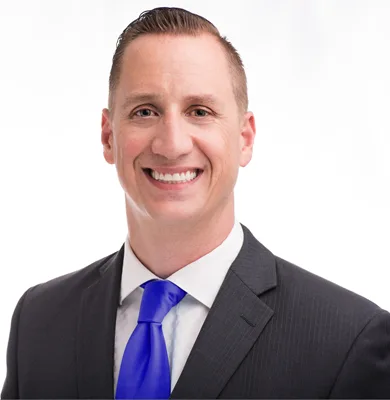
Chad Kubik
January 15, 2025
Last Updated: May 2026
1. The AI Search Revolution
The way patients find dental practices is fundamentally changing. Traditional Google search is being transformed by AI, with new search behaviors emerging across multiple platforms.
Instead of typing "dentist Phoenix" and clicking through results, patients are now asking ChatGPT "What are the best dentists in Phoenix with good reviews?", using voice commands like "Alexa, find an emergency dentist near me," or getting answers directly from Google AI Overviews without clicking any websites.
AI Search Statistics
- • 58% of consumers have used voice search to find local business information
- • 27% of online users globally use voice search on mobile
- • Google AI Overviews now appear for billions of searches monthly
- • ChatGPT has over 200 million weekly active users seeking information
- • 71% of voice searches use natural, conversational language
2. Understanding AEO vs SEO
Answer Engine Optimization (AEO) is the evolution of SEO for the AI era. While SEO aims to rank your website in search results, AEO aims to make your practice the answer AI systems provide.
Key Differences
SEO: Traditional Search
Goal: Rank #1-3 in search results. User clicks your link, visits your website, then converts.
AEO: AI-Powered Search
Goal: Be cited as the answer. AI mentions your practice directly in its response. User may visit your site or call directly.
Why AEO Matters for Dentists
- Zero-click searches - Patients get answers without visiting websites
- Voice search dominance - Voice assistants provide single answers, not a list of results
- Authority signals - Being cited by AI establishes instant credibility
- Future-proofing - AI search adoption is accelerating rapidly
3. Optimizing for ChatGPT Search
ChatGPT and other AI chatbots are becoming search engines. When users ask "What dentists in [city] offer Invisalign?", the AI synthesizes information from across the web to provide recommendations.
How ChatGPT Finds Dental Practices
- Authoritative sources (Healthgrades, Zocdoc, ADA directories)
- Well-structured website content with clear service descriptions
- Online reviews and ratings from multiple platforms
- Professional credentials and certifications
- Published articles, case studies, or thought leadership
ChatGPT Optimization Strategies
1. Create Comprehensive Content
AI systems favor in-depth, well-researched content. For each service, create detailed pages that answer:
- • What the procedure involves
- • Who is a good candidate
- • What to expect (process, timeline, recovery)
- • Cost ranges and insurance information
- • Benefits and potential risks
- • Before/after examples
2. Establish E-E-A-T
Experience, Expertise, Authoritativeness, Trustworthiness:
- • Display credentials prominently (DDS, DMD, specialty certifications)
- • Showcase years of experience and patient count
- • Include professional memberships (ADA, state dental associations)
- • Publish patient testimonials and reviews
- • Create original content (blog posts, videos, guides)
3. Claim & Optimize Directory Listings
AI systems pull from authoritative directories. Optimize profiles on:
- • Healthgrades (complete profile, verify credentials)
- • Zocdoc (availability, insurance, photos)
- • WebMD Physician Directory
- • Vitals.com
- • RateMDs
- • State dental association directories
4. Google AI Overviews Strategy
Google AI Overviews (formerly SGE - Search Generative Experience) appear at the top of search results, providing AI-generated answers before traditional results. Being cited in these overviews is the new "position zero."
How to Appear in AI Overviews
- Answer specific questions - Create content that directly answers common dental queries
- Use natural language - Write as if answering a patient's question verbally
- Structure content clearly - Use headers, bullet points, numbered lists
- Add FAQ sections - Structured Q&A content performs exceptionally well
- Optimize for featured snippets - What works for snippets works for AI Overviews
- Provide complete answers - Don't withhold information to force clicks
Example: AI Overview Optimization
Query: "How much does Invisalign cost in Phoenix?"
Optimized Content Structure:
- • Direct answer upfront: "Invisalign in Phoenix typically costs $3,500-$8,000..."
- • Breakdown by complexity (mild, moderate, severe cases)
- • Factors affecting cost (treatment length, dentist experience)
- • Insurance coverage information
- • Payment plans available
- • Why our practice (credentials, technology, patient outcomes)
5. Voice Search Optimization
Voice search is fundamentally different from typed search. People use natural, conversational language and often seek immediate local results.
Voice Search Behavior Patterns
Typed Search
"dentist phoenix invisalign cost"
Voice Search
"Hey Google, how much does Invisalign cost at dentists in Phoenix?"
Voice Search Optimization Tactics
- Target question keywords - Who, what, where, when, why, how questions
- Use conversational language - Write how people actually speak
- Optimize for "near me" searches - Ensure local SEO is strong
- Create FAQ pages - Perfect format for voice search queries
- Focus on local intent - Voice searches are 3x more likely to be local
- Ensure mobile-friendliness - Most voice searches happen on mobile
- Improve page speed - Voice search results load 52% faster than average
Common Voice Search Queries for Dentists
Emergency Dental
"Find an emergency dentist near me"
Services
"Dentists that do teeth whitening near me"
Hours/Availability
"Is there a dentist open on Saturday near me?"
Cost Questions
"How much does a dental crown cost?"
6. Structured Data for AI
Structured data (schema markup) helps AI systems understand your content. It's like providing a cheat sheet that says "this is a dental practice, here are the services, here's the pricing, here are the reviews."
Essential Schema Types for Dental Practices
- LocalBusiness / Dentist Schema - Name, address, phone, hours, geo coordinates
- MedicalBusiness Schema - Specialties, accepted insurance, medical credentials
- Service Schema - Each dental service you offer with descriptions
- FAQPage Schema - Questions and answers about your services
- Review Schema - Patient reviews and ratings
- Organization Schema - Your practice's organizational details
How to Implement Schema Markup
Option 1: Use Schema Plugins
WordPress: Schema Pro, Rank Math, Yoast SEO Premium
Option 2: Google's Structured Data Markup Helper
Free tool to generate schema code visually
Option 3: Hire a Developer
Custom implementation for complete control
Validate Your Schema
Always test schema markup using Google's Rich Results Test and Schema.org Validator to ensure it's correctly implemented.
7. AI Search Optimization Implementation Checklist
Follow this comprehensive checklist to optimize your dental practice for AI search:
Content Optimization
- ☐ Create comprehensive service pages (1,500+ words each)
- ☐ Add FAQ sections to every major page
- ☐ Write in natural, conversational language
- ☐ Answer questions directly and completely
- ☐ Include statistics and data where relevant
- ☐ Add original insights from your experience
Technical Setup
- ☐ Implement LocalBusiness schema markup
- ☐ Add Service schema for each treatment
- ☐ Implement FAQPage schema
- ☐ Ensure mobile responsiveness (test on multiple devices)
- ☐ Optimize page speed (target under 2 seconds)
- ☐ Verify HTTPS security
Directory & Citation Management
- ☐ Claim and complete Healthgrades profile
- ☐ Optimize Zocdoc listing (if applicable)
- ☐ Update Google Business Profile completely
- ☐ Ensure NAP consistency across all directories
- ☐ Add photos to all directory profiles
- ☐ Encourage and respond to reviews
Authority Building
- ☐ Display credentials prominently on website
- ☐ Add team bios with education and experience
- ☐ Showcase awards and certifications
- ☐ Include professional association memberships
- ☐ Create case studies or treatment stories
- ☐ Publish regular blog content (2-4x per month)
Voice Search Optimization
- ☐ Target question-based keywords
- ☐ Create dedicated FAQ page
- ☐ Optimize for "near me" searches
- ☐ Ensure business hours are prominently displayed
- ☐ Add clear contact information (click-to-call buttons)
- ☐ Create location-specific content
Key Takeaways
- AI search is not replacing traditional SEO—it's augmenting it. Optimize for both.
- Create comprehensive, authoritative content that directly answers patient questions
- Establish E-E-A-T through credentials, testimonials, and original content
- Implement structured data (schema markup) to help AI understand your content
- Optimize for voice search with conversational, question-based content
- Maintain accurate, complete profiles on authoritative medical directories
Chad Kubik
Chad Kubik is Director of Sales and Marketing at Rooster Grin Media and a dental industry marketing strategist with 20 years of experience. He spent 15 years as a regional consultant at Patterson Dental and has worked with hundreds of dental and orthodontic practices across the country.
Connect on LinkedInWant help applying this to your practice?
I work with dental and orthodontic practices to build and execute digital marketing strategies. If you want a second opinion on your current approach — or a plan from scratch — a 30-minute call is a good place to start.
Book a Free Strategy Call